
S 2-8-2 Steam Locomotives

Model Manufacturer Info
Manufacturer:
Overland Models
Manufacturer ID:
1702
Factory:
Ajin Precision, Korea
Prototype Info
Model Info
Gauge:
S
Introduced:
1985
Qty Made:
150
Product Type:
Brass
Finish:
unpainted
Power:
DC
Wheels:
scale
Notes:
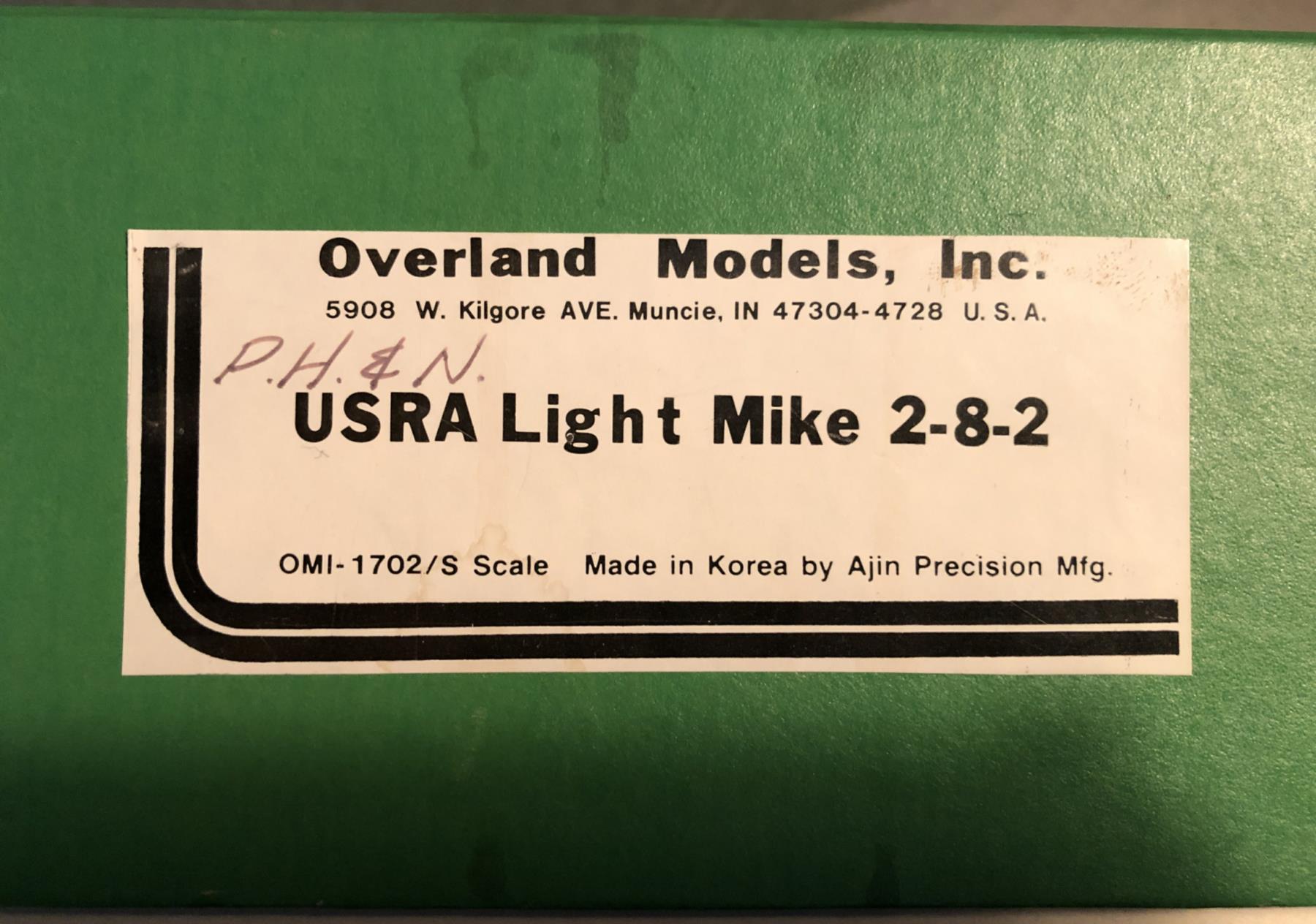
This is a light Mikado. Overland produced extra gearboxes about 6 months after these engines came out as some modelers found the original gearboxes caused the engine to run too fast. There was nothing wrong mechanically with the original gearbox; the new ones just had different gearing in them.

(image copyright © Dick Karnes; used by permission)
(image copyright © Jim Kindraka; used by permission)
Model Manufacturer Info
Manufacturer:
Overland Models
Manufacturer ID:
1705
Factory:
Ajin Precision, Korea
Prototype Info
Category:
0-8-0
Road Name:
USRA
Model Info
Gauge:
S
Introduced:
1986
Qty Made:
70
Product Type:
Brass
Finish:
unpainted
Tender:
USRA
Notes:
In 1990, River Raisin Models bought out Overland Models' inventory of these engines to continue to sell them under their name. Jim Kindraka stated that it took until 1993 to sell out of this particular version.
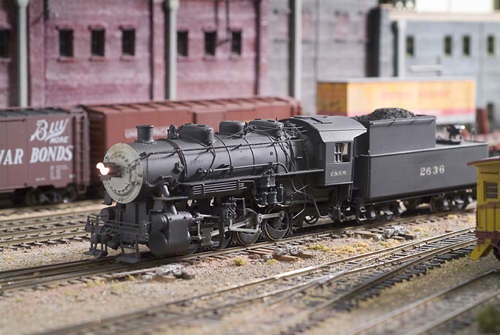
(image copyright © Bob Werre; used by permission)
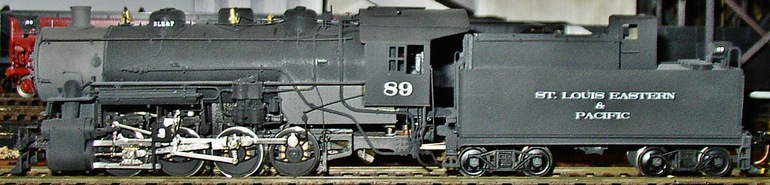
(image copyright © Bill Winans; used by permission)
Model Manufacturer Info
Manufacturer:
Overland Models
Manufacturer ID:
1712
Factory:
Ajin Precision, Korea
Prototype Info
Category:
0-8-0
Road Name:
USRA
Model Info
Gauge:
S
Introduced:
1986
Product Type:
Brass
Finish:
unpainted
Online Article:
Notes:
With clear-vision tender. In 1990, River Raisin Models bought out Overland Models' inventory of these engines to continue to sell them under their name. Jim Kindraka stated that it took until 1992 to sell out of this particular version.

(image copyright © Tom Henderson; used by permission)

(image copyright © Tom Henderson; used by permission)

(image copyright © Bill Lane; used by permission)

(image copyright © Bill Lane; used by permission)

(image copyright © Bill Lane; used by permission)

(image copyright © Bill Lane; used by permission)
Model Manufacturer Info
Manufacturer:
Overland Models
Manufacturer ID:
1737
Factory:
M.S. Models, Korea
Prototype Info
Category:
4-6-2
Road Name:
USRA
Model Info
Gauge:
S
Introduced:
1990
Product Type:
Brass
Finish:
unpainted
Power:
DC
Wheels:
scale
Notes:
USRA Light.
Jim Kindraka reported in the early 1990s that some of these locomotives could develop problems with the universal joint. The collars can crack on either or both sides (the plastic used for them was of poor quality). Ideally, a replacement can be found in the original Overland Models' F3 or F7 locomotives. River Raisin Models produced a number of extra ones in 1991, called their "Redrive Kit" (you may be able to find them on the secondary market). If using one of these kits, the smaller of the two shaft holes needs to be drilled out for the 4-6-2. Use a #41 drill bit. Removal of motor will be necessary on the model, and then carefully, but firmly, press fitting the new universal on both shafts.
Ed Sauers reported that his model's center driver wheel wasn't touching the rails. Through experimentation, he found a screw under the motor that controls the motor's angle. By loosening that screw just a little bit, it allowed the driver to settle down on the rail.

(image copyright © Bob Werre; used by permission)

(image copyright © Bill Winans; used by permission)

(image copyright © Ed Sauers; used by permission)
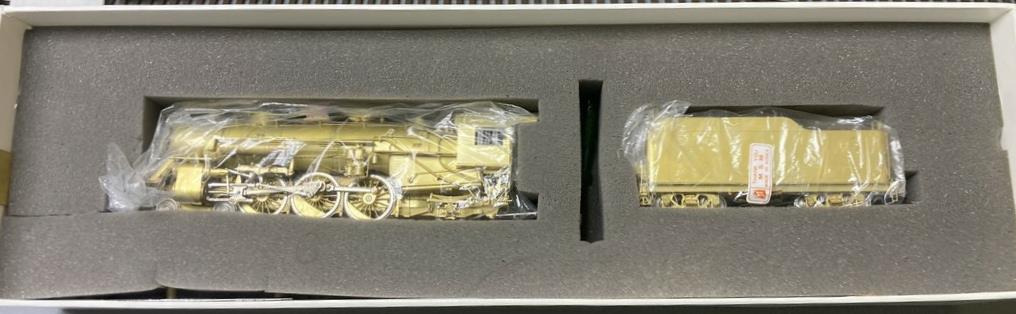
(image copyright © Ed Sauers; used by permission)